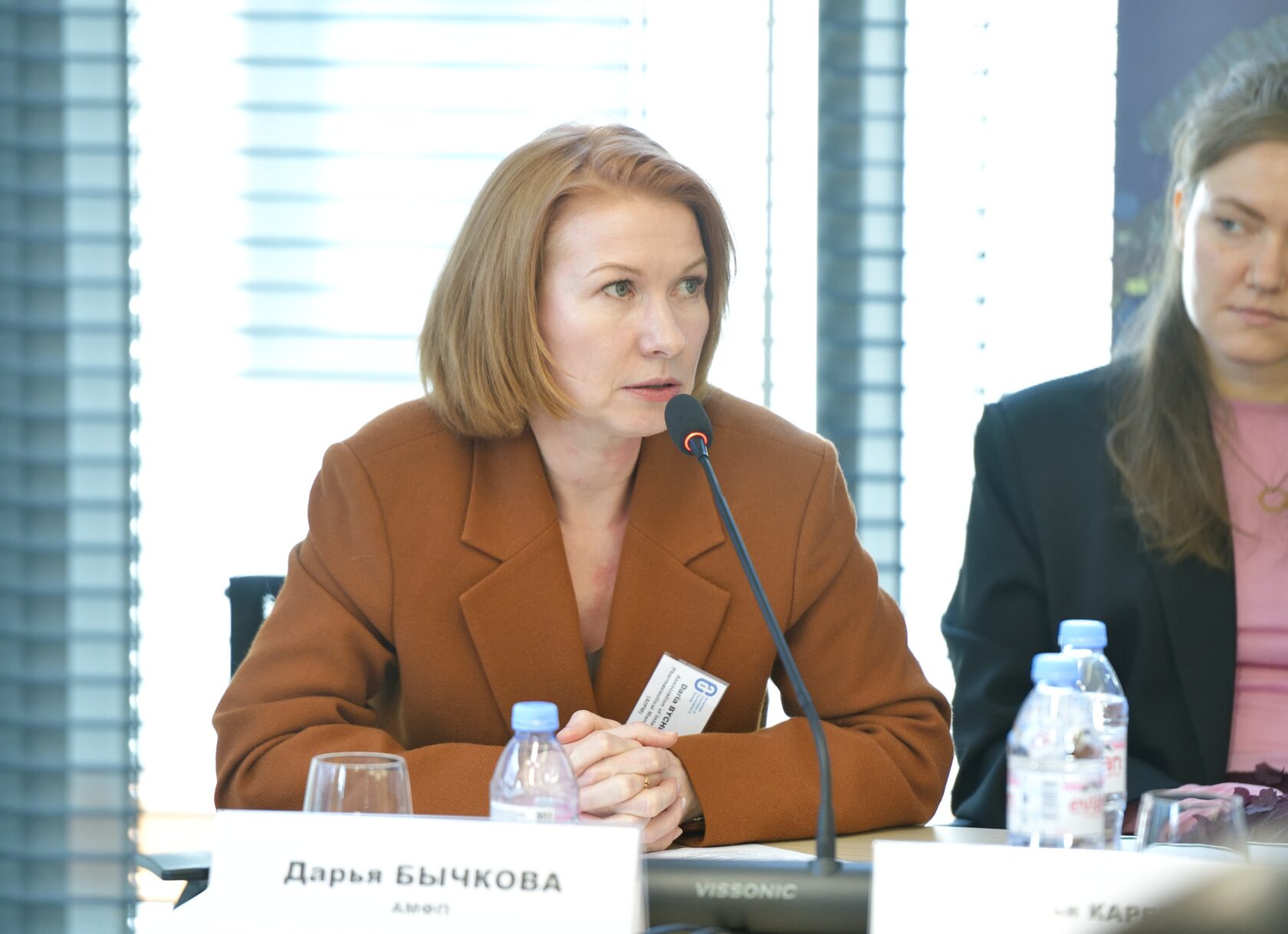
The Association of International Pharmaceutical Manufacturers, has released the findings of a large survey of nonprofit organizations that represent the interests of patients. This data was first presented by Daria Bychkova, Director of Strategic Partnership, Medical Affairs, and Ethics at AIPM, at the annual ESG Conference of the American Chamber of Commerce (AmCham), held in Russia on April 21st.
This survey aims to move away from mere declarations of patientcentricity and towards a more accurate measurement of NGO needs, assessing their satisfaction with interactions with pharmaceutical companies and identifying areas for growth. The study included 30 nonprofit organizations, a third of whom represent patients with rare diseases. It covered all levels of NGOs, from the federal to the regional level.
One of the key findings of the survey was that NGOs do not see the pharmaceutical industry solely as a money source. On a scale of 1 to 5, the importance of pharmaceuticals as a funding source received an average score of 3.8. Meanwhile, the importance as partners for joint initiatives was rated 4.5 and the importance in developing patient-centered services was given a score of 4.1. Respondents provided detailed information on how they already provide patients with access to treatment, including information, education, legal assistance, collaboration with government bodies, assistance with innovative medications, psychological and social assistance.
Current interactions between NGOs and pharma companies were assessed as balanced. Cooperation was rated 4.5/5, satisfaction and effectiveness were both rated 4/5. However, some indicators critical for long-term trust were found to be lagging: satisfaction of actual needs was given a rating of only 3.6 and clarity and predictability were given a score 3.7/5.
Eighty-three percent of respondents had specific expectations. These included:
A special focus on training was also noted, including advocacy, legal knowledge, communication skills, and regular industry updates. These findings will form the foundation for transforming the model of collaboration between pharmaceutical companies and patient communities. AIPM intends to shift from one-off sponsorships to a strategic alliance based on joint advocacy, knowledge sharing, and long-term plans.
This survey aims to move away from mere declarations of patientcentricity and towards a more accurate measurement of NGO needs, assessing their satisfaction with interactions with pharmaceutical companies and identifying areas for growth. The study included 30 nonprofit organizations, a third of whom represent patients with rare diseases. It covered all levels of NGOs, from the federal to the regional level.
One of the key findings of the survey was that NGOs do not see the pharmaceutical industry solely as a money source. On a scale of 1 to 5, the importance of pharmaceuticals as a funding source received an average score of 3.8. Meanwhile, the importance as partners for joint initiatives was rated 4.5 and the importance in developing patient-centered services was given a score of 4.1. Respondents provided detailed information on how they already provide patients with access to treatment, including information, education, legal assistance, collaboration with government bodies, assistance with innovative medications, psychological and social assistance.
Current interactions between NGOs and pharma companies were assessed as balanced. Cooperation was rated 4.5/5, satisfaction and effectiveness were both rated 4/5. However, some indicators critical for long-term trust were found to be lagging: satisfaction of actual needs was given a rating of only 3.6 and clarity and predictability were given a score 3.7/5.
Eighty-three percent of respondents had specific expectations. These included:
- Partnership: openness, mutual benefit, and long-term commitment.
- Financial support for initiatives, ranging from awareness programs to charity activities.
- Active involvement in projects with the Ministry of Health, including regulatory development and early access discussions.
- Increased transparency, with clear selection criteria for projects, reporting formats, and designated contacts within companies.
A special focus on training was also noted, including advocacy, legal knowledge, communication skills, and regular industry updates. These findings will form the foundation for transforming the model of collaboration between pharmaceutical companies and patient communities. AIPM intends to shift from one-off sponsorships to a strategic alliance based on joint advocacy, knowledge sharing, and long-term plans.
"NGOs have the expertise to improve the assistance system, but lack funding and systematic partnerships. Pharma companies can fill this gap, not just with money but also expertise and commitment. Together, we can transform the way we approach disease management," concluded Daria Bychkova.
Photo owner: Julia Bogdanova, KEPT, member of AmCham Russia